Ireland's Capital City
Dublin is a city of layers. Beneath the Georgian terraces and modern cafe culture lies a Viking settlement, a medieval cathedral city, and a 19th-century trading port. The literary tradition alone, Wilde, Swift, Beckett, Joyce, Behan, is enough to fill a week. Add in the pub culture, the food scene that has transformed in recent years, and the National Museum's extraordinary collection, and Dublin can absorb as much time as you are willing to give it.
The city is compact and very walkable. Most of the main sights sit within a 2km radius of Trinity College, on both the north and south banks of the Liffey. The DART coastal railway and Luas tram connect the centre to the suburbs efficiently.
Top Things to Do in Dublin
1. Trinity College & the Book of Kells
The 9th-century illuminated manuscript housed in Trinity's Long Room library is one of the finest examples of medieval art anywhere in the world. The Long Room itself, with its barrel-vaulted ceiling and 200,000 leather-bound volumes, is worth the visit on its own. Book online to skip the queues and usually pay less. Allow 45 minutes to an hour.
2. Guinness Storehouse
Seven floors of brewing history in the original St. James's Gate brewery, topped by the Gravity Bar with its 360-degree Dublin panorama and a pint you will have earned. It is unapologetically commercial and consistently one of Europe's most visited attractions. Worth it. The self-guided exhibition covers the history of Guinness and the craft of the perfect pour.
3. Dublin Castle
For 700 years the seat of British rule in Ireland, Dublin Castle is now a government complex open to guided tours. The State Apartments are lavishly decorated and the undercroft reveals Viking and Norman foundations beneath the modern city. The adjacent Chester Beatty Library, housing one of the great collections of manuscripts, art, and books from across Asia, the Middle East, and Europe, is free and extraordinary.
4. National Museum of Ireland
The Archaeology branch on Kildare Street holds the treasures of Irish prehistory: the Ardagh Chalice, the Tara Brooch, bog bodies, and Viking artefacts from the Wood Quay excavations. It is free to enter and routinely overlooked by visitors who head straight for Guinness. Do not overlook it.
5. Kilmainham Gaol
The former prison where the leaders of the 1916 Easter Rising were executed is now one of Dublin's most visited historical sites. The guided tour is genuinely moving and essential for understanding modern Irish history. The east wing, a Victorian-era radial panopticon block, is visually striking. Book tickets well in advance, especially in summer.
6. Irish Museum of Modern Art (IMMA)
Housed in the Royal Hospital Kilmainham, a restored 17th-century building with formal gardens, IMMA has a strong permanent collection and consistently interesting temporary exhibitions. Entry to the permanent collection is free. Combine with Kilmainham Gaol next door for a half day in the Kilmainham area.
Dublin Neighbourhoods
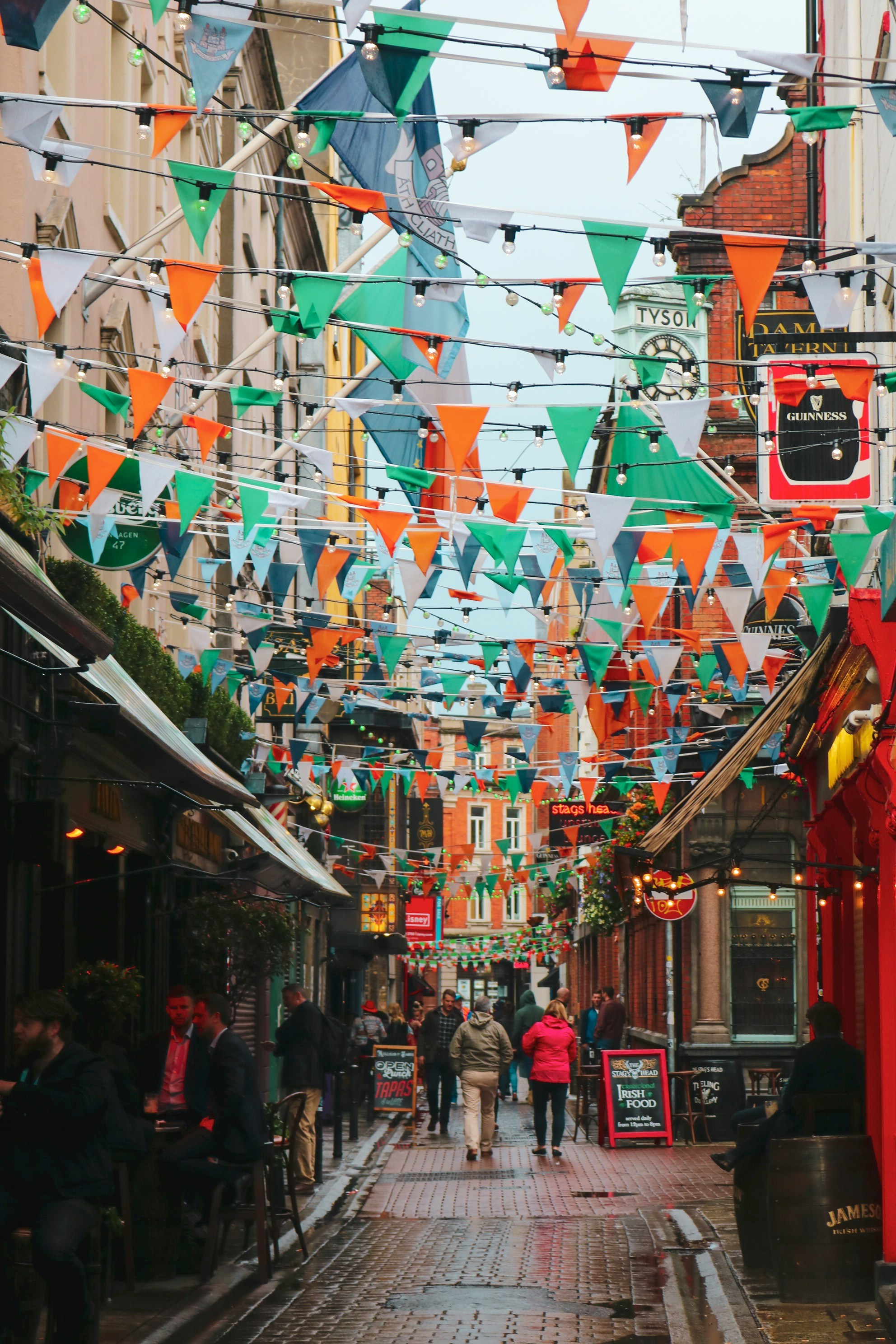
Temple Bar is the tourist centre and can feel crowded and overpriced, but the cobblestoned streets and the weekend market have their appeal. The Liberties to the west is Dublin's oldest neighbourhood, home to Guinness and the Iveagh Markets. Docklands to the east is modern Dublin, all glass towers and waterfront cafes. North of the Liffey, Smithfield is gritty, gentrifying, and worth an afternoon. Portobello on the south side is where Dubliners actually eat and drink, and is much better value than Temple Bar.
Best Tours from Dublin
 GetYourGuide
Literary Pub Crawl
Actors perform scenes from Beckett, Wilde, and Joyce across Dublin's most storied pubs. Running since 1988 and still the best evening in Dublin.
Book on GetYourGuide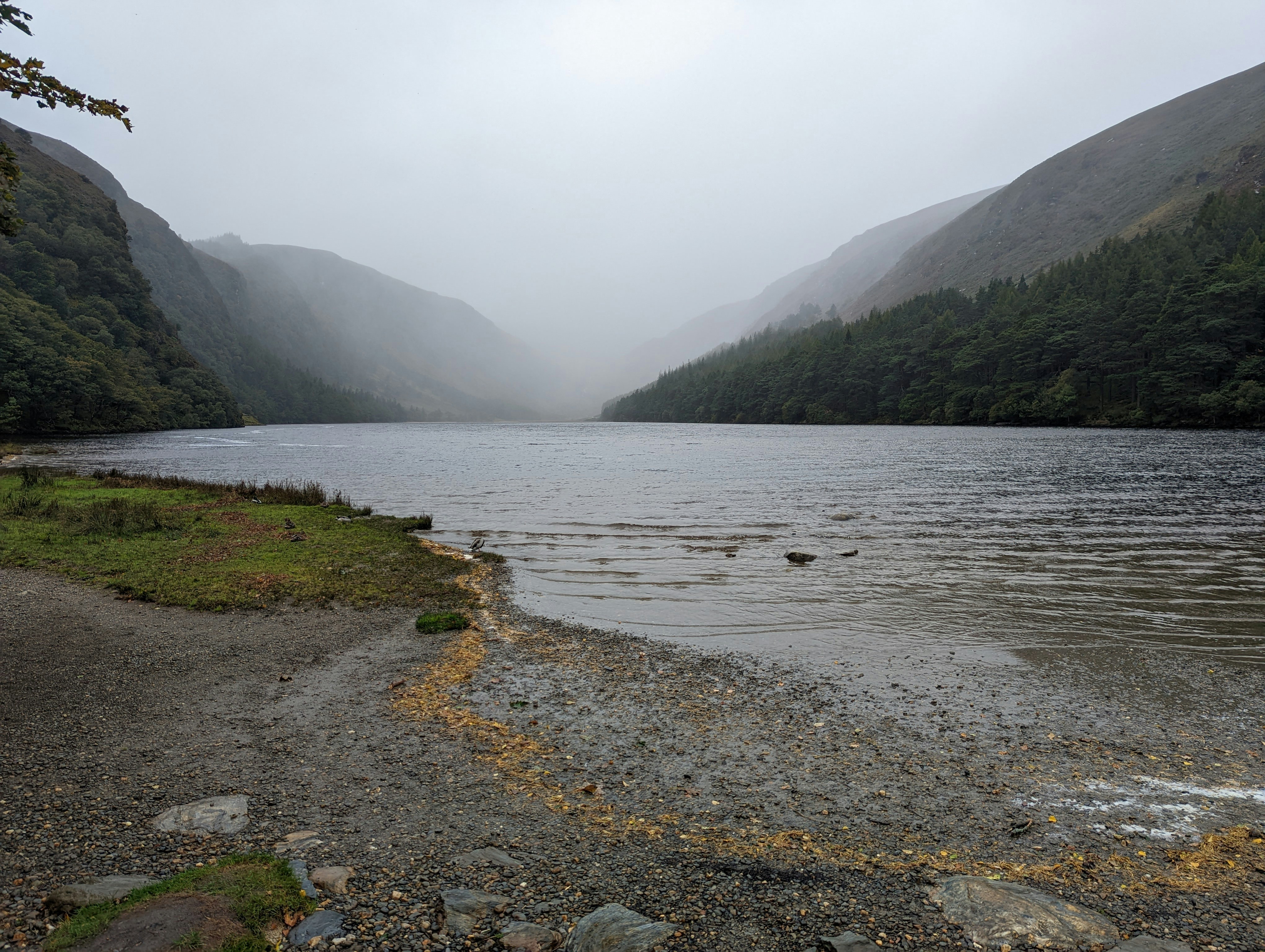 Viator
Wicklow Mountains & Glendalough
The best day trip from Dublin. Ancient monastery in a glaciated valley, the Sally Gap, and the Garden of Ireland. Full day from central Dublin.
Book on ViatorGetting Around Dublin
Dublin city centre is walkable. The Luas tram (Red and Green lines) covers the main corridors. The DART coastal railway runs from Malahide in the north to Greystones in the south, passing through Connolly, Pearse, and Tara Street stations. The Leap Card works on all public transport and is considerably cheaper than cash fares. Pick one up at the airport on arrival.
Day Trips from Dublin
Newgrange and the Boyne Valley (50km north) is the obvious first choice. Glendalough in County Wicklow (50km south) is the most scenic. Kilkenny (130km south) is a beautifully preserved medieval city worth a full day. The Cliffs of Moher are a very long day trip (250km) but popular and very much doable with a guided tour.